Moor colonisation by the Dutch
Continue readingcollapse
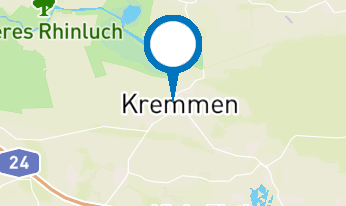
Part of the Rhinluch Fen had already been drained under King Frederick William I. The transformation of the landscape only began in a targeted manner after Frederick II issued the reclamation edict in 1765. As the Dutch were particularly successful in moor reclamation a that time, the king settled Dutch farmers in Kremmen, among others. In their hands, moors became fields and meadows. The great bustard, a very rare breeding and migratory bird, followed cultivation in the changed landscape.
The townscape today
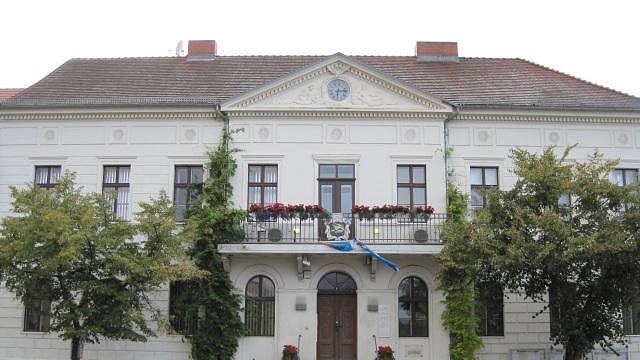
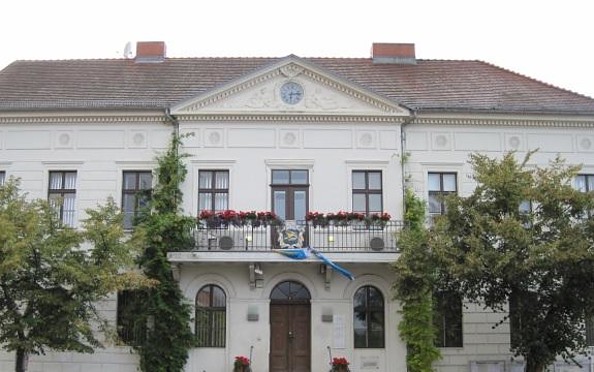
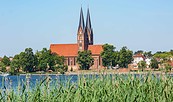
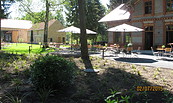
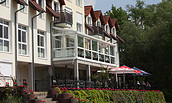
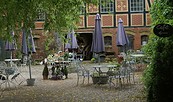
The structure of the former agricultural town can still be seen from the townscape today - at the market square and the barn district - and the town is nestled into the unique and particularly ecologically rich landscape of Rhinluch Fen. In the time of Frederick, great bustards were part of the Rhinluch Fen landscape. Partially re-natured areas of the fen are now a protected habitat for rare plant and wildlife species.
Further information
Förderverein Großtrappenschutz e.V.
Buckower Dorfstrasse 34
14715 Nennhausen, district of Buckow
Telephone: +49 33878 60257
info@grosstrappe.de
www.grosstrappe.de
The townscape today
The structure of the former agricultural town can still be seen from the townscape today - at the market square and the barn district - and the town is nestled into the unique and particularly ecologically rich landscape of Rhinluch Fen. In the time of Frederick, great bustards were part of the Rhinluch Fen landscape. Partially re-natured areas of the fen are now a protected habitat for rare plant and wildlife species.
Further information
Förderverein Großtrappenschutz e.V.
Buckower Dorfstrasse 34
14715 Nennhausen, district of Buckow
Telephone: +49 33878 60257
info@grosstrappe.de
www.grosstrappe.de
Continue readingcollapse