Liebenberg Castle and Estate

Memorials of recent German history
0 Bewertungen 0 von 5 (0)
0
0
0
0
0
Wie hat dir der Aufenthalt gefallen? Du hast deinen Aufenthalt schon bewertet.
Memorials of recent German history
ab €
Verfügbarkeit & Preis anzeigen

p.P. = pro Person, p.P./N = pro Person / Nacht, p.E./N = pro Einheit/ Nacht, EZ = Einzelzimmer, DZ = Doppelzimmer, FeWo = Ferienwohnung oder -haus, App. = Appartement, Suite = Suite, FR = Frühstück, HP = Halbpension, VP = VollPension
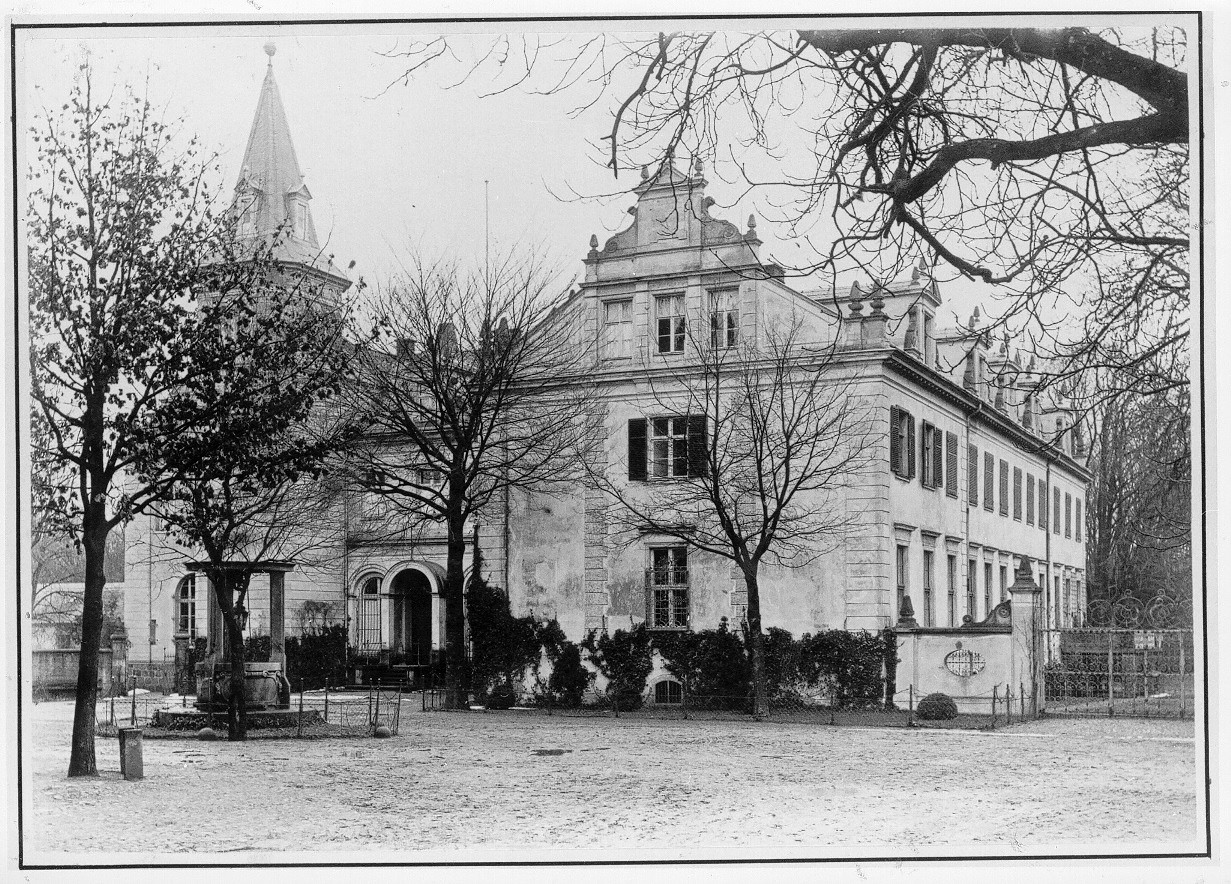
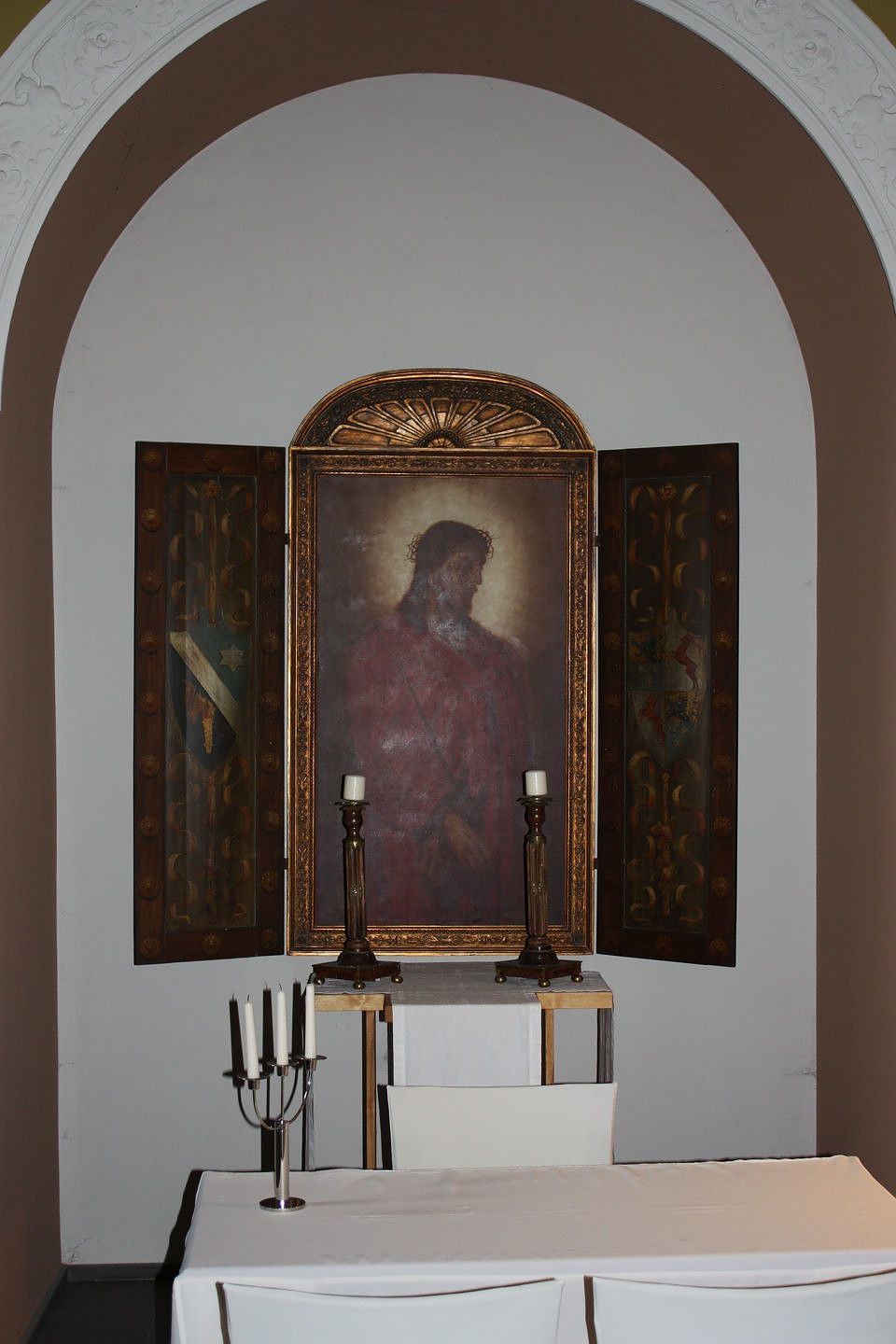
On 16 July 1936, a young couple tied the knot in the chapel of Liebenberg Castle. The couple were Harro Schulze-Boysen, a head of department at the Reich Ministry of Aviation, and Libertas Haas-Heye, a press officer with the major film corporation Metro-Goldwyn-Mayer, and their choice of venue was no coincidence. Since the end of the 19th century, the idyllically situated castle and estate had belonged to Philipp zu Eulenburg und Hertefeld, who as a diplomat had enjoyed the special confidence of Emperor Wilhelm II and had even been elevated to the rank of prince by him. As the Prince’s granddaughter, Libertas Schulze-Boysen had been familiar with the castle and its surroundings since early childhood.
aufklappeneinklappen
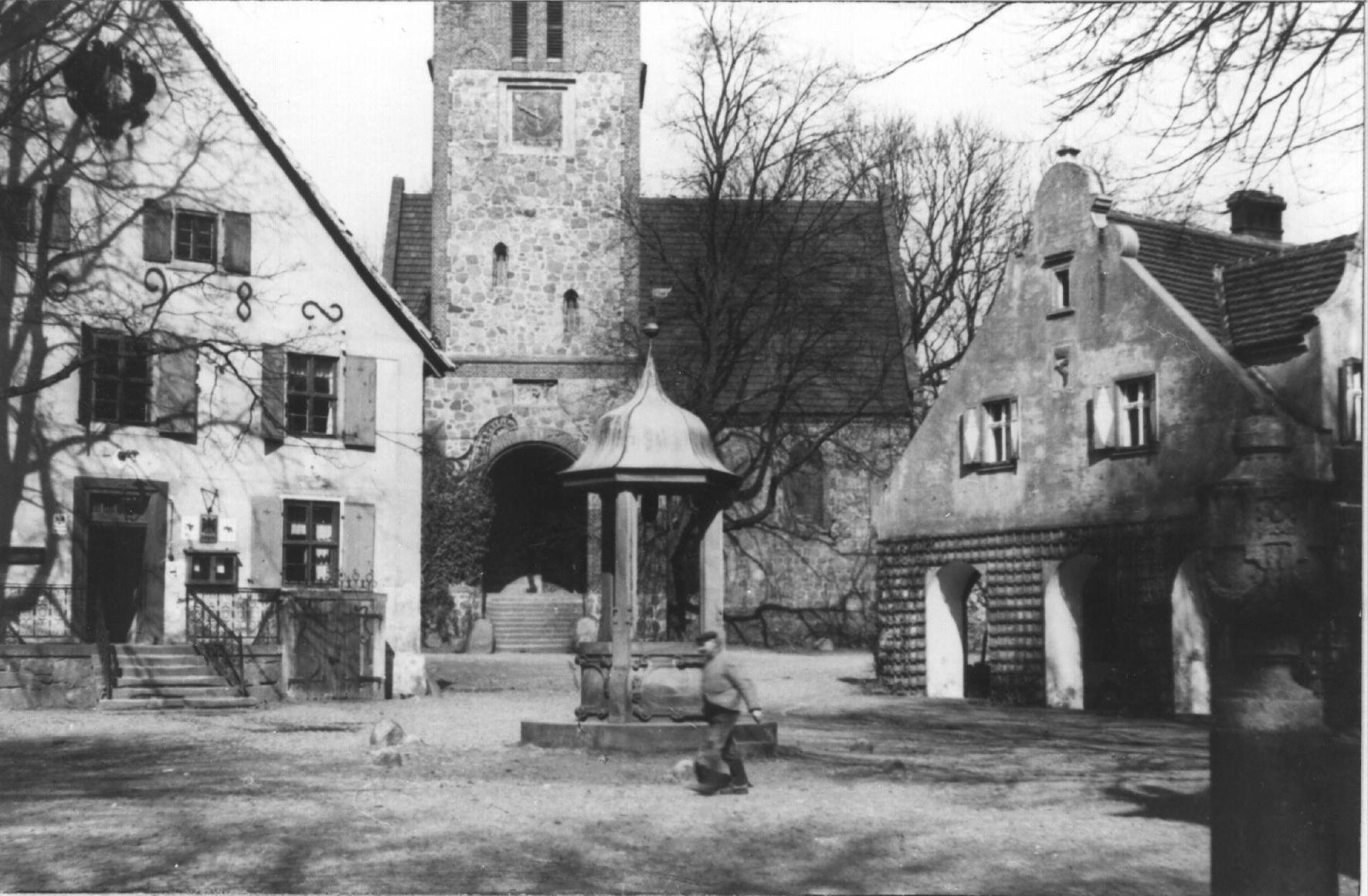
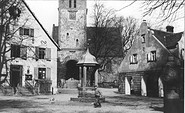
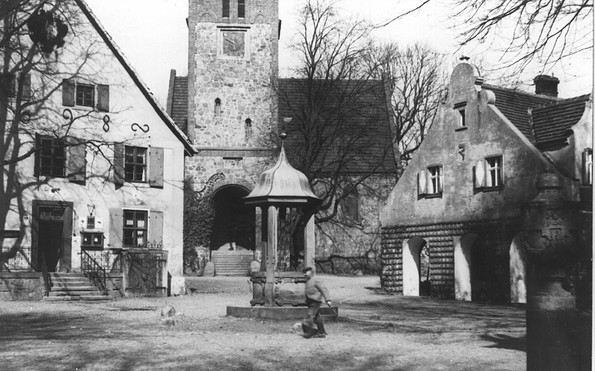
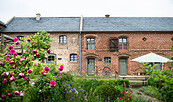
  • Schlosshof mit Mann, Foto: DKB Stiftung für gesell. Engagement
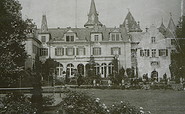
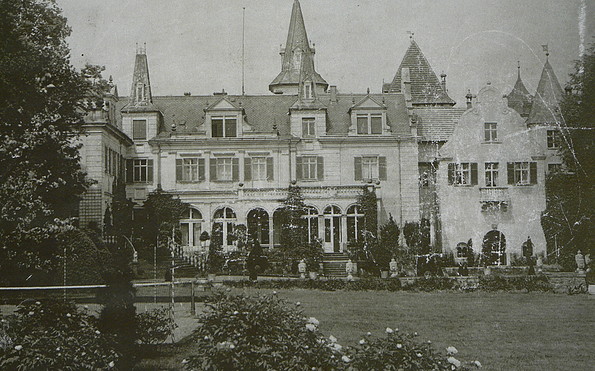
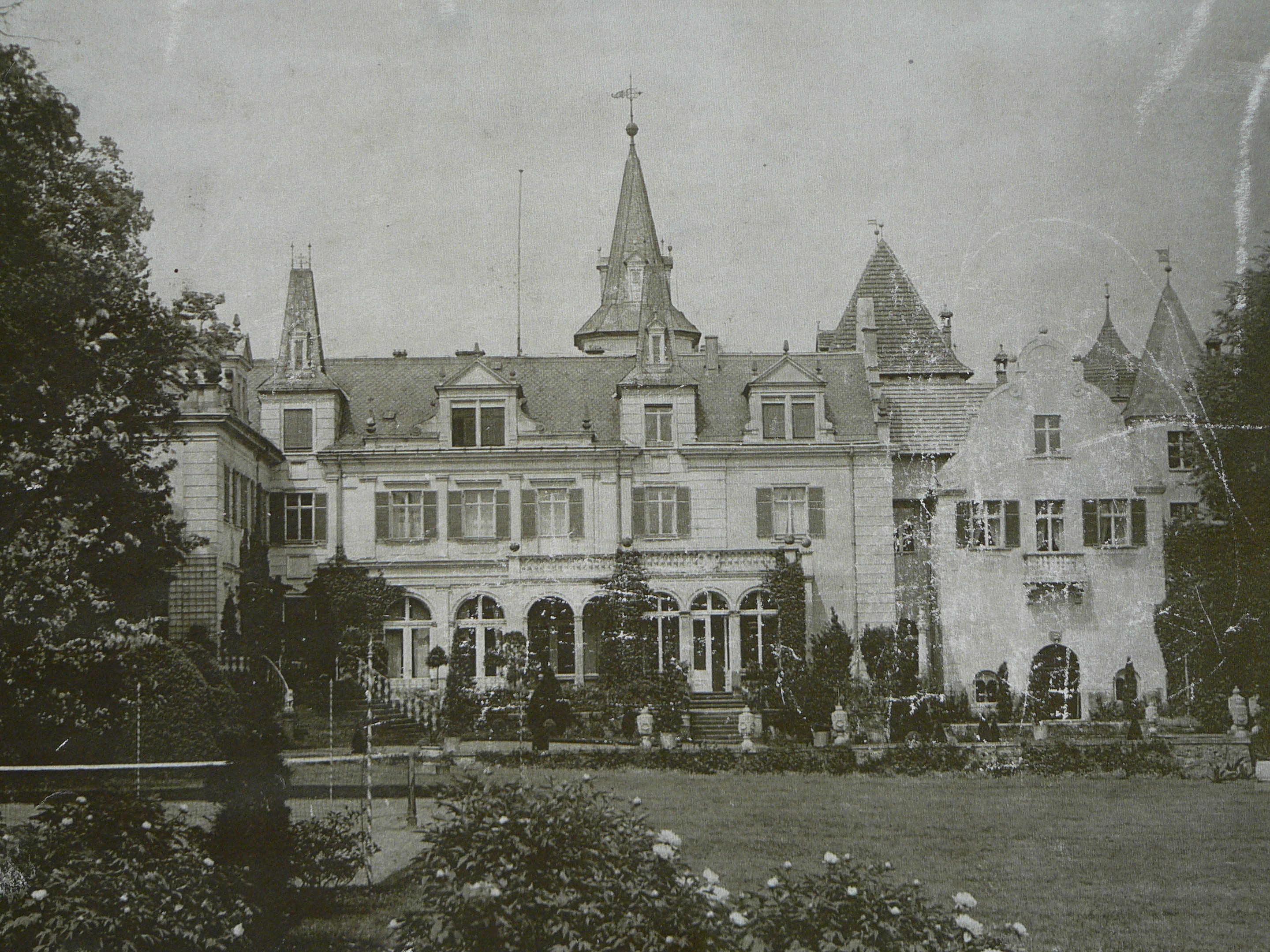
  • Schloss um 1910 von Parkseite aus, Foto: DKB Stiftung für gesell. Engagement
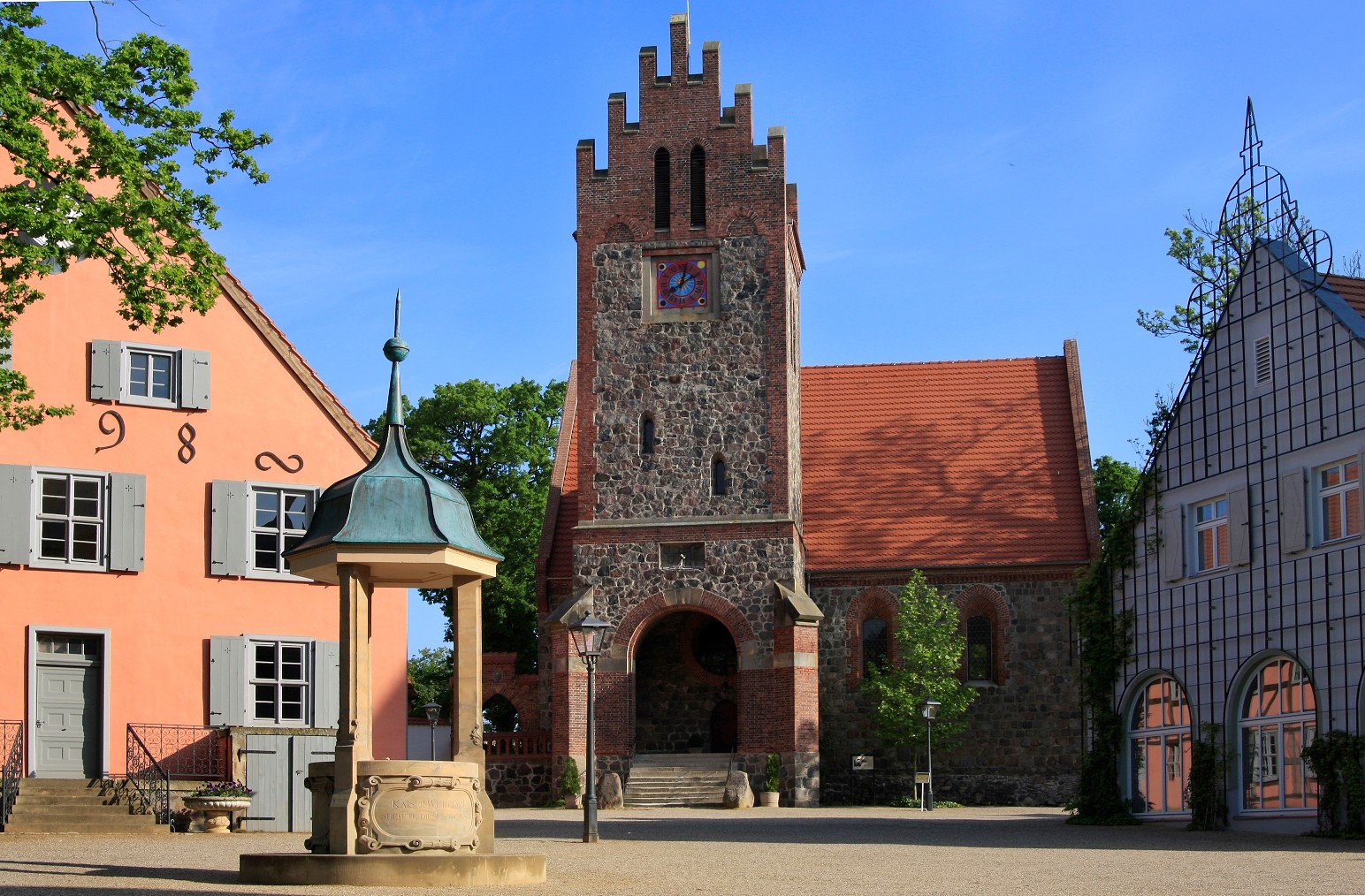
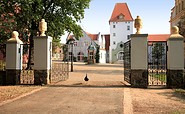
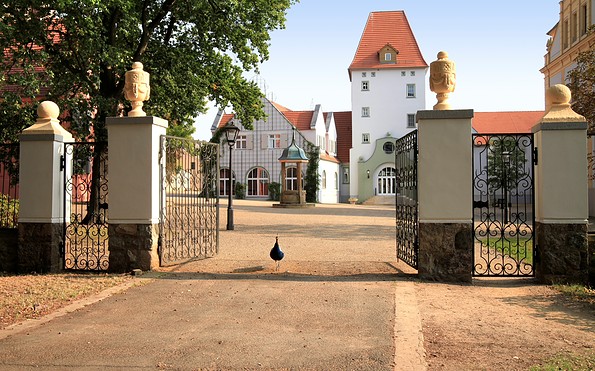
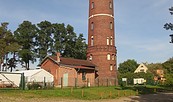
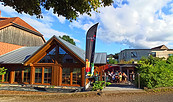
  • Schlosshof mit Blick auf Nordische Halle, Foto: DKB Stiftung Liebenberg GmbH
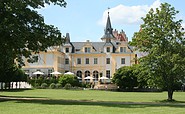
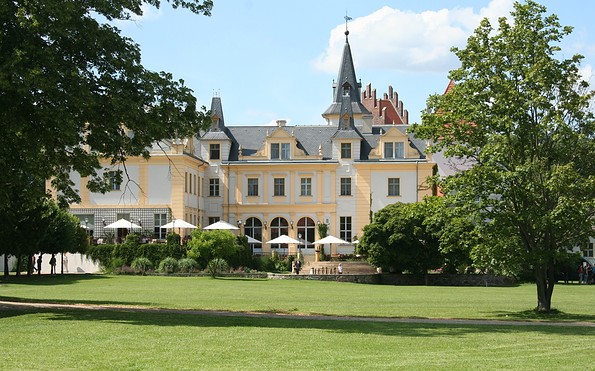
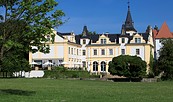
  • Schloss und Gut Liebenberg Ansicht vom Park, Foto: DKB Stiftung Liebenberg gemeinnützige GmbH
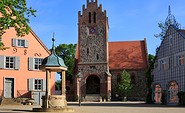
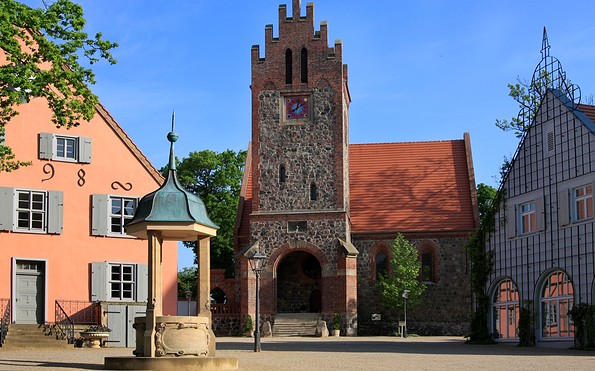
  • Feldsteinkirche aus dem 13. Jh., Foto: DKB Stiftung Liebenberg gemeinnützige GmbH
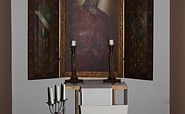
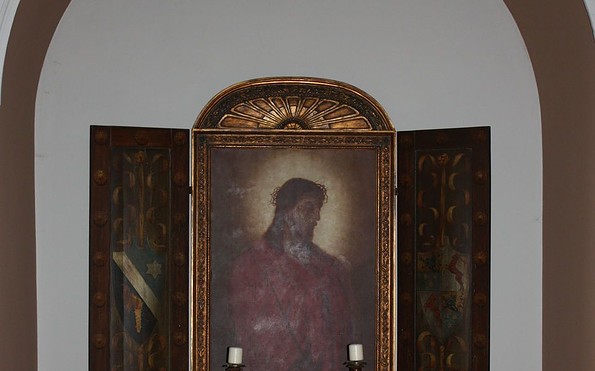
  • Libertas-Kapelle im Schloss Liebenberg, Foto: ZZF / Hans - Hermann Hertle
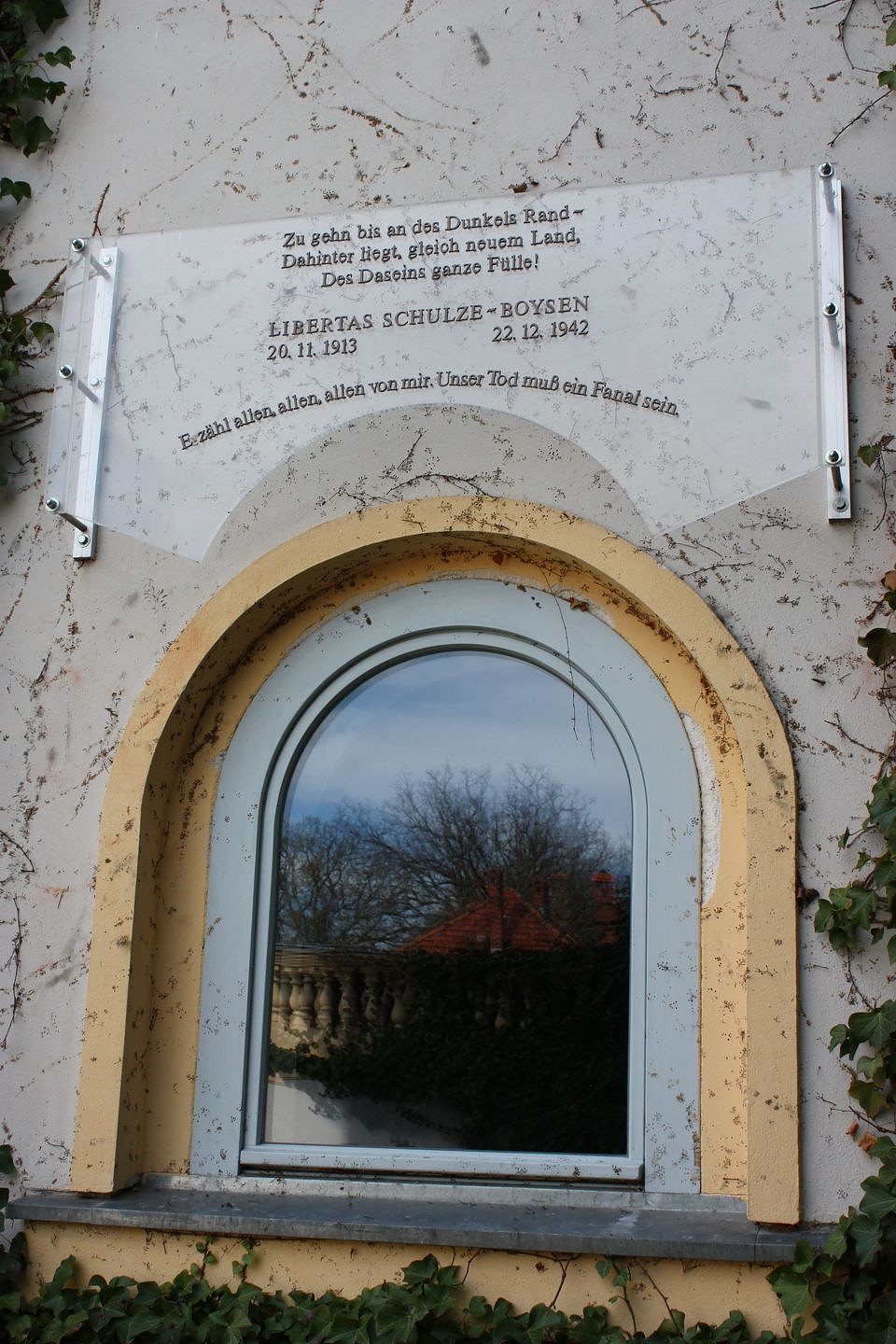
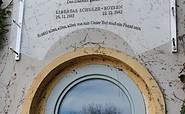
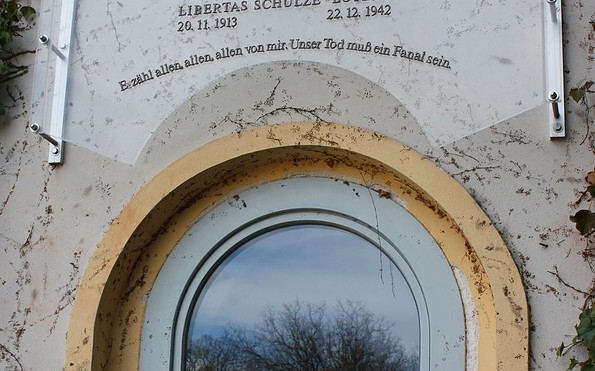
  • Gedenktafel für Libertas Schulze-Boysen über dem Kapellenfenster im Schloss Liebenberg, Foto: ZZF / Hans - Hermann Hertle
  • Schloss, Hofseite um 1904, Foto: DKB Stiftung
At the time, Liebenberg already had a reputation as a place where lavish parties were celebrated and politicians cut hard-and-fast deals. The Emperor regularly stayed here to hunt – but he would also engage in political decision-making with his entourage. This group of confidants – the “Liebenberger Tafelrunde”– included not only Eulenburg and the Emperor himself but also Lieutenant General Kuno von Moltke and State Secretary Bernhard von Bülow.

In 1907 this circle became the subject of one of the biggest scandals in the German Empire: the journalist Maximilian Harden combined his criticism of the shady politics of the Emperor’s “court camarilla” with allusions to Eulenburg’s homosexuality. The “Eulenburg affair” eventually ended up in the courts. From 1907 onwards the estate was maintained by Philipp’s son Friedrich Wend, who as a large-scale landowner was later to throw his weight by behind the National Socialists.

In July 1936, hardly any of the wedding guests would have guessed that the young couple – having initially shown sympathy for National Socialism – had in fact been assembling a circle of opponents to the Nazi regime around them since 1935. The resistance group led by Harro Schulze-Boysen and Arvid Harnack – senior civil servant in the Reich Ministry of Economic Affairs – was made up of intellectuals, artists, workers, employees and critical young people. In 1942, the “Red Orchestra” – as the group was known – was discovered by the Gestapo and most of its members were arrested. On December 22, 1942, Harro Schulze-Boysen and his wife Libertas were executed in Berlin-Plötzensee.

After 1945, the East German communist party SED took possession of the castle and estate. Today the premises are used by Deutsche Kreditbank as a conference hotel. An exhibition in the castle chapel is dedicated to Libertas Schulze-Boysen.

Literature:
  • Günter Agde (ed.), Carl-Hans Graf von Hardenberg. Ein deutsches Schicksal im Widerstand, Berlin 2004
  • Gerd-Ulrich Herrmann, Fred Nespethal, Ulrich Pfeil, Märkische Herrensitze im Wandel der Zeiten: Neuhardenberg, Gusow, Friedersdorf and Sonnenburg, Petersberg 2002

aufklappeneinklappen
On 16 July 1936, a young couple tied the knot in the chapel of Liebenberg Castle. The couple were Harro Schulze-Boysen, a head of department at the Reich Ministry of Aviation, and Libertas Haas-Heye, a press officer with the major film corporation Metro-Goldwyn-Mayer, and their choice of venue was no coincidence. Since the end of the 19th century, the idyllically situated castle and estate had belonged to Philipp zu Eulenburg und Hertefeld, who as a diplomat had enjoyed the special confidence of Emperor Wilhelm II and had even been elevated to the rank of prince by him. As the Prince’s granddaughter, Libertas Schulze-Boysen had been familiar with the castle and its surroundings since early childhood.
aufklappeneinklappen
  • Schlosshof mit Mann, Foto: DKB Stiftung für gesell. Engagement
  • Schloss um 1910 von Parkseite aus, Foto: DKB Stiftung für gesell. Engagement
  • Schlosshof mit Blick auf Nordische Halle, Foto: DKB Stiftung Liebenberg GmbH
  • Schloss und Gut Liebenberg Ansicht vom Park, Foto: DKB Stiftung Liebenberg gemeinnützige GmbH
  • Feldsteinkirche aus dem 13. Jh., Foto: DKB Stiftung Liebenberg gemeinnützige GmbH
  • Libertas-Kapelle im Schloss Liebenberg, Foto: ZZF / Hans - Hermann Hertle
  • Gedenktafel für Libertas Schulze-Boysen über dem Kapellenfenster im Schloss Liebenberg, Foto: ZZF / Hans - Hermann Hertle
  • Schloss, Hofseite um 1904, Foto: DKB Stiftung
At the time, Liebenberg already had a reputation as a place where lavish parties were celebrated and politicians cut hard-and-fast deals. The Emperor regularly stayed here to hunt – but he would also engage in political decision-making with his entourage. This group of confidants – the “Liebenberger Tafelrunde”– included not only Eulenburg and the Emperor himself but also Lieutenant General Kuno von Moltke and State Secretary Bernhard von Bülow.

In 1907 this circle became the subject of one of the biggest scandals in the German Empire: the journalist Maximilian Harden combined his criticism of the shady politics of the Emperor’s “court camarilla” with allusions to Eulenburg’s homosexuality. The “Eulenburg affair” eventually ended up in the courts. From 1907 onwards the estate was maintained by Philipp’s son Friedrich Wend, who as a large-scale landowner was later to throw his weight by behind the National Socialists.

In July 1936, hardly any of the wedding guests would have guessed that the young couple – having initially shown sympathy for National Socialism – had in fact been assembling a circle of opponents to the Nazi regime around them since 1935. The resistance group led by Harro Schulze-Boysen and Arvid Harnack – senior civil servant in the Reich Ministry of Economic Affairs – was made up of intellectuals, artists, workers, employees and critical young people. In 1942, the “Red Orchestra” – as the group was known – was discovered by the Gestapo and most of its members were arrested. On December 22, 1942, Harro Schulze-Boysen and his wife Libertas were executed in Berlin-Plötzensee.

After 1945, the East German communist party SED took possession of the castle and estate. Today the premises are used by Deutsche Kreditbank as a conference hotel. An exhibition in the castle chapel is dedicated to Libertas Schulze-Boysen.

Literature:
  • Günter Agde (ed.), Carl-Hans Graf von Hardenberg. Ein deutsches Schicksal im Widerstand, Berlin 2004
  • Gerd-Ulrich Herrmann, Fred Nespethal, Ulrich Pfeil, Märkische Herrensitze im Wandel der Zeiten: Neuhardenberg, Gusow, Friedersdorf and Sonnenburg, Petersberg 2002

aufklappeneinklappen

Anreiseplaner

Parkweg 1a

16775 Löwenberger Land OT Liebenberg
Wetter Heute, 18. 8.

13 20
Bedeckt

  • Mittwoch
    14 18
  • Donnerstag
    12 25

Prospekte

Urlaubsregion

Tourismusverband Ruppiner Seenland e. V.

Fischbänkenstraße 8
16816 Neuruppin

Tel.: 03391-659630
Fax: 03391-659632

Wetter Heute, 18. 8.

13 20
Bedeckt

  • Mittwoch
    14 18
  • Donnerstag
    12 25

Alle Informationen, Zeiten und Preise werden regelmäßig geprüft und aktualisiert. Trotzdem können wir für die Richtigkeit der Daten keine Gewähr übernehmen. Wir empfehlen Ihnen, vor Ihrem Besuch telefonisch / per E-Mail oder über die Internetseiten des Anbieters den aktuellen Stand zu erfragen.

Anruf bei der TMB Urlaubshotline unter 0331-200 47 47 (+49) 03391 659630 Wir sind telefonisch für Sie da: Mo-Fr 08:30-16:30 Uhr.

Vielen Dank für deinen Besuch auf www.ruppiner-seenland.de

Diese Webseite wurde auf dem technisch aktuellsten Stand entwickelt. Leider benutzt du einen Browser, der nicht den technischen Anforderungen entspricht.

Wir bitten dich daher einen alternativen Browser (z.B. Google Chrome, Firefox oder Edge) zu verwenden und wünschen dir weiterhin viel Spaß auf unserer Webseite.

Logo www.ruppiner-seenland.de