Ravensbrück Remembrance and Memorial Site

Erinnerungsorte jüngerer deutscher Geschichte
0 Bewertungen 0 von 5 (0)
0
0
0
0
0
Wie hat dir der Aufenthalt gefallen? Du hast deinen Aufenthalt schon bewertet.
Erinnerungsorte jüngerer deutscher Geschichte
ab €
Verfügbarkeit & Preis anzeigen
p.P. = pro Person, p.P./N = pro Person / Nacht, p.E./N = pro Einheit/ Nacht, EZ = Einzelzimmer, DZ = Doppelzimmer, FeWo = Ferienwohnung oder -haus, App. = Appartement, Suite = Suite, FR = Frühstück, HP = Halbpension, VP = VollPension
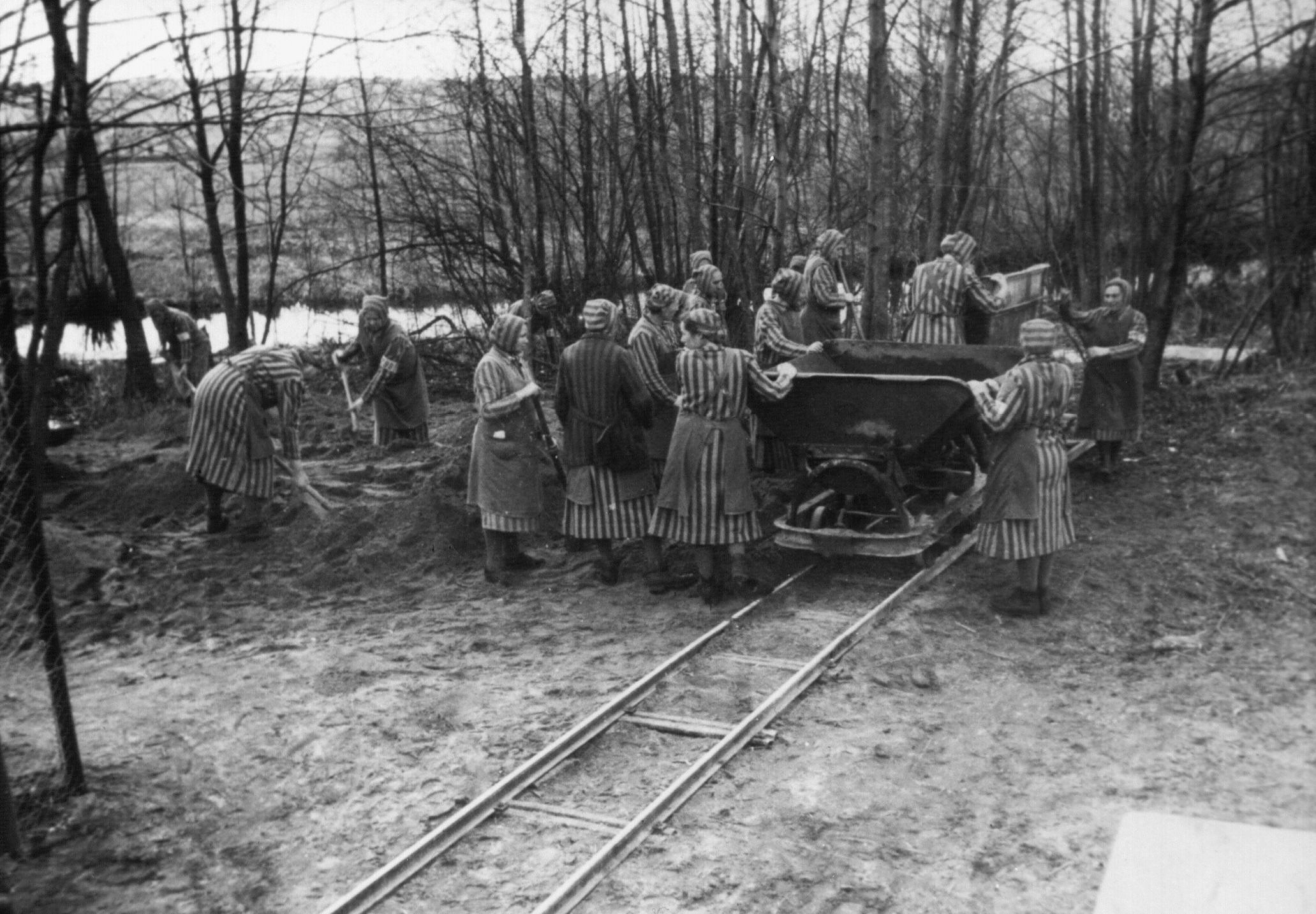
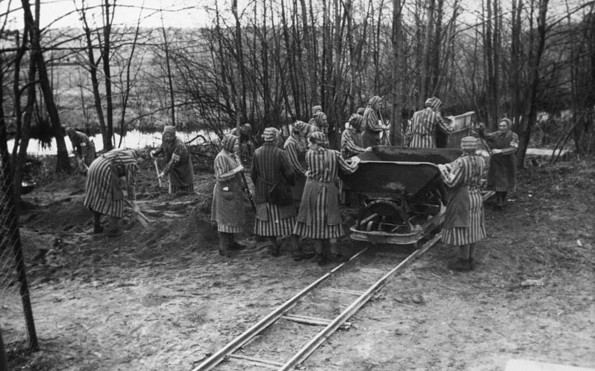
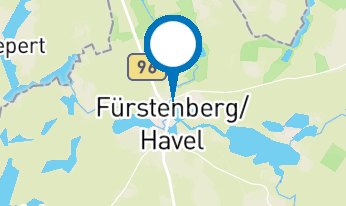
The site of the former Ravensbrück Women’s Concentration Camp, which Uckermark Youth Concentration Camp was part of from 1942, is 90 kilometres north of Berlin near Fürstenberg/Havel. 120,000 women and children were taken to Ravensbrück, along with about 20,000 men. At least 28,000 prisoners did not survive the camp. The camp was continuously being expanded from when the first 1,000 prisoners arrived in May 1939. The women were imprisoned for political resistance, antisocial behaviour or racial defilement or because they were Jews, Sinti or Roma. They came from regions occupied by the German Reich. They were ruthlessly exploited for their labour by SS operations and other companies such as Siemens, for example. SS doctors carried out medical experiments on female prisoners, which were often fatal. From 1944, the living conditions at the camp steadily deteriorated because in addition to the 12,000 Polish detained after the Warsaw Uprising, tens of thousands of prisoners from the concentration camps in the east that had been shut down were taken to Ravensbrück. According to an imprisoned Russian doctor, the were “dying like flies” in the overcrowded camp. Most of the survivors were sent on the Death March in the final days of the war.
aufklappeneinklappen
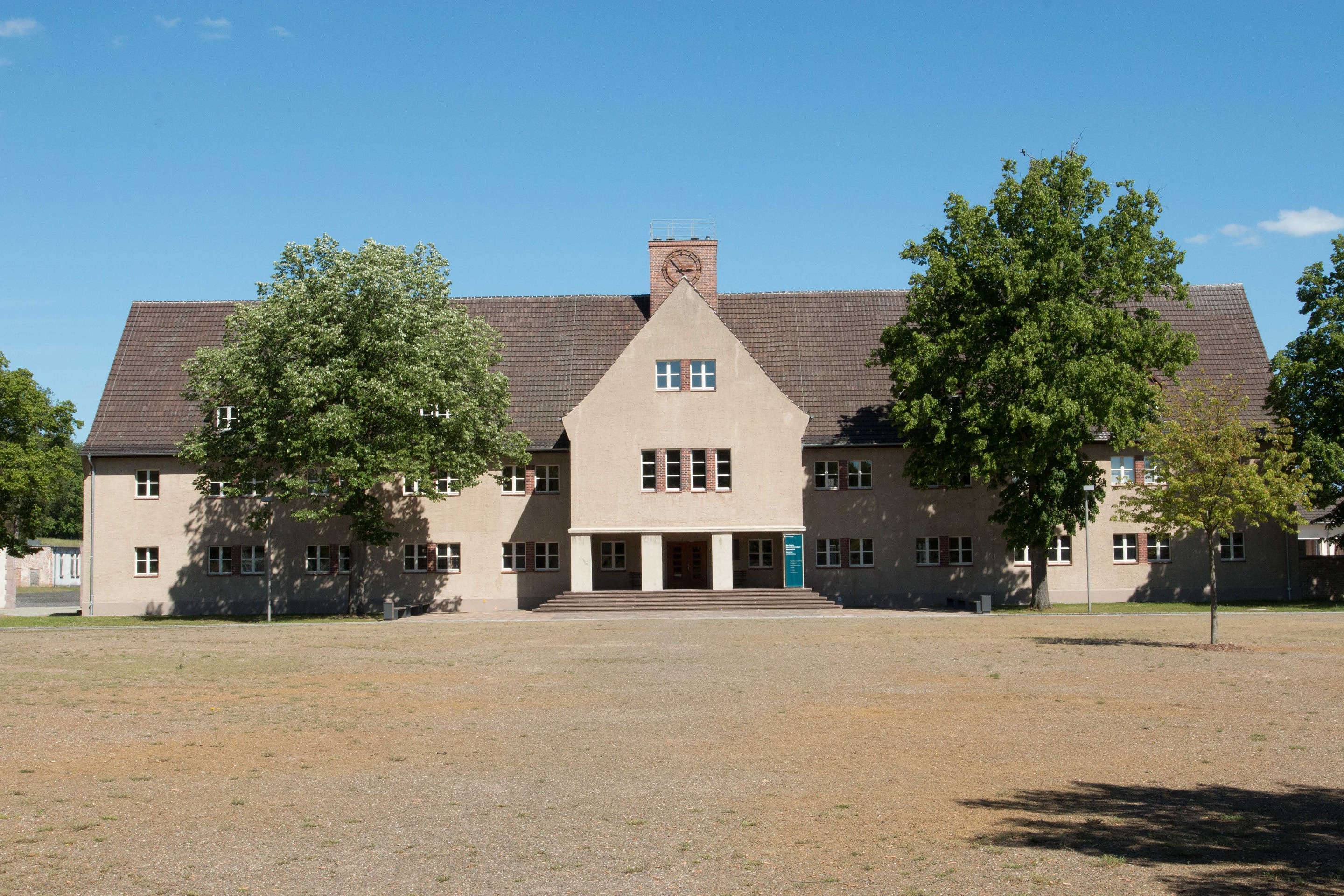
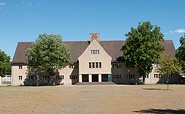
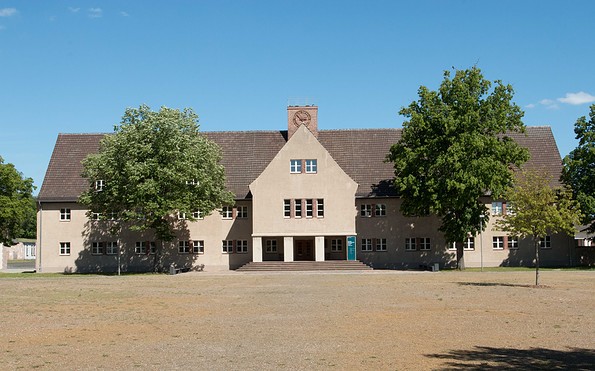
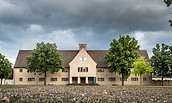
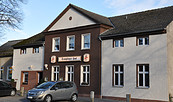
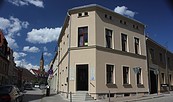
  • Haus der KZ - Kommandantur, Foto: Mahn- und Gedenkstätte Ravensbrück / Britta Pawelke
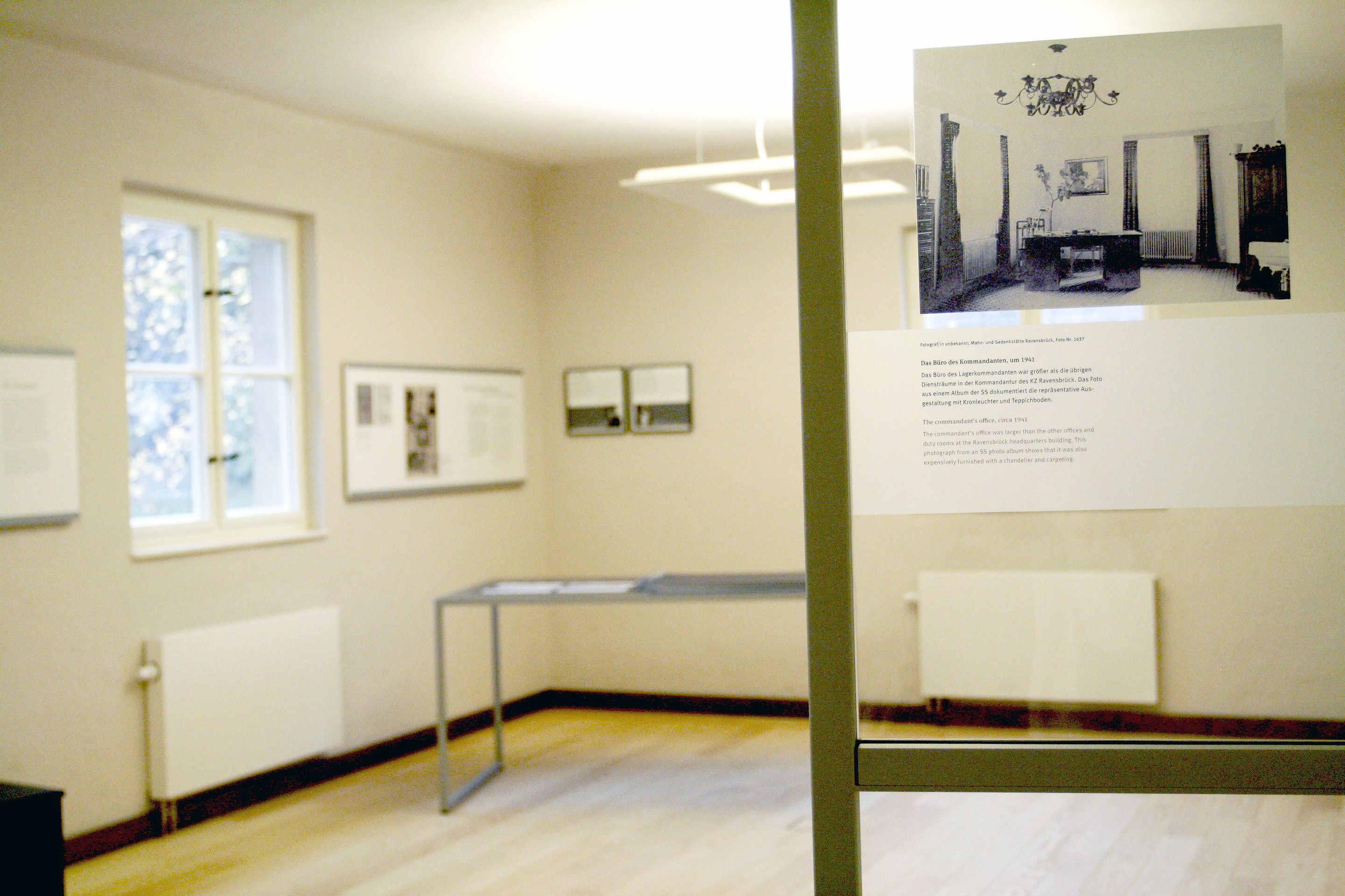
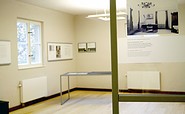
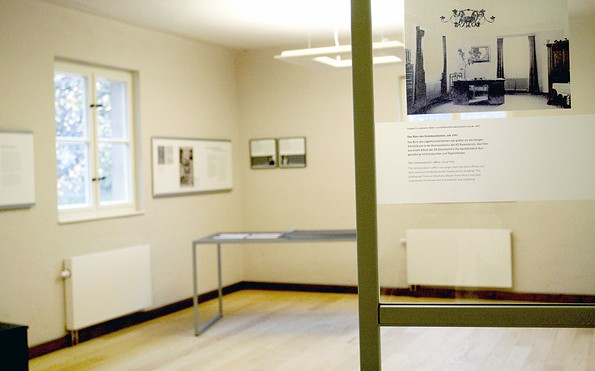
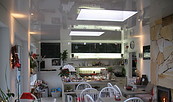
  • Hauptausstellung, Foto: Mahn- und Gedenkstätte Ravensbrück / Britta Pawelke
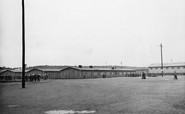
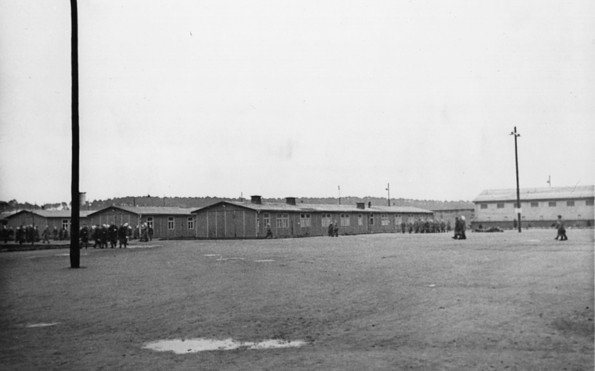
  • Appellplatz (oder Verlängerung der Lagerstraße 1) und Baracken, Foto: Mahn- und Gedenkstätte Ravensbrück / SS Propagandafoto
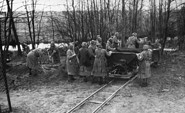
  • Häftlingsfrauen beim Beladen von Loren, Foto: Mahn- und Gedenkstätte Ravensbrück / SS Propagandafoto
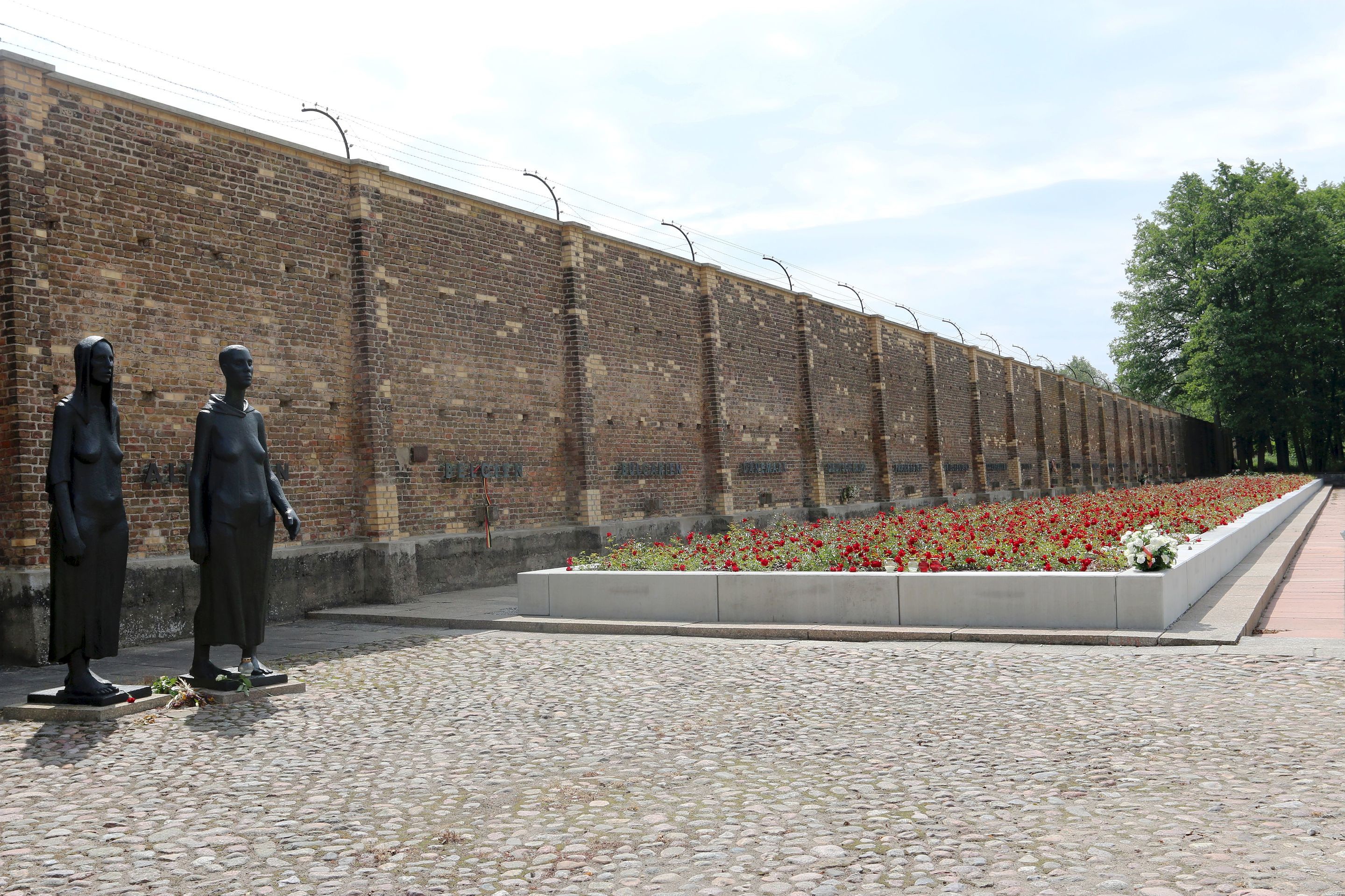
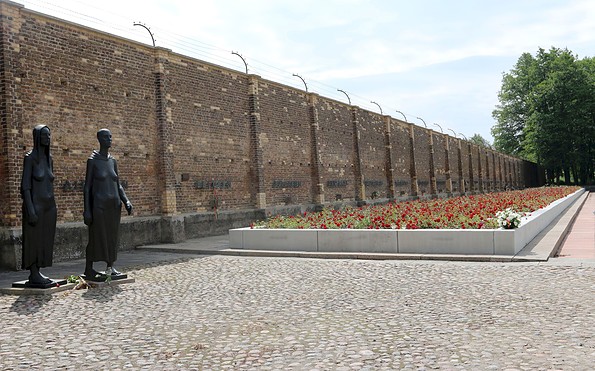
  • Mauer der Nationen, Foto: Mahn- und Gedenkstätte Ravensbrück / Britta Pawelke
Because the Red Army used almost the entire camp as a military site until 1994, the Remembrance and Memorial Site built in 1959 was initially limited to the area between the concentration camp wall and Lake Schwedtsee. Today, large parts of the site can be visited, including the cells and the SS housing estate. In the command building, the new permanent exhibition in place since 2013 offers a comprehensive overview of the history of the concentration camp.

Detailed information on accessibility can be found here

Literature:
  • Alyn Beßmann/Insa Eschebach (Hg.), Das Frauen-Konzentrationslager Ravensbrück. Geschichte und Erinnerung, Berlin 2013.
  • Insa Eschebach (Hg.), Das Frauen-Konzentrationslager Ravensbrück. Neue Beiträge zur Geschichte und Nachgeschichte, Berlin 2014.
  • Andrea Genest (Hg.), Damit die Welt es erfährt … . Illegale Dokumente polnischer Häftlinge aus dem KZ Ravensbrück, Berlin 2015.
  • Internationaler Freundeskreis e.V. für die Mahn- und Gedenkstätte Ravensbrück (Hg.), Zwangsarbeit bei Siemens im Frauenkonzentrationslager Ravensbrück, Berlin 2017

aufklappeneinklappen
The site of the former Ravensbrück Women’s Concentration Camp, which Uckermark Youth Concentration Camp was part of from 1942, is 90 kilometres north of Berlin near Fürstenberg/Havel. 120,000 women and children were taken to Ravensbrück, along with about 20,000 men. At least 28,000 prisoners did not survive the camp. The camp was continuously being expanded from when the first 1,000 prisoners arrived in May 1939. The women were imprisoned for political resistance, antisocial behaviour or racial defilement or because they were Jews, Sinti or Roma. They came from regions occupied by the German Reich. They were ruthlessly exploited for their labour by SS operations and other companies such as Siemens, for example. SS doctors carried out medical experiments on female prisoners, which were often fatal. From 1944, the living conditions at the camp steadily deteriorated because in addition to the 12,000 Polish detained after the Warsaw Uprising, tens of thousands of prisoners from the concentration camps in the east that had been shut down were taken to Ravensbrück. According to an imprisoned Russian doctor, the were “dying like flies” in the overcrowded camp. Most of the survivors were sent on the Death March in the final days of the war.
aufklappeneinklappen
  • Haus der KZ - Kommandantur, Foto: Mahn- und Gedenkstätte Ravensbrück / Britta Pawelke
  • Hauptausstellung, Foto: Mahn- und Gedenkstätte Ravensbrück / Britta Pawelke
  • Appellplatz (oder Verlängerung der Lagerstraße 1) und Baracken, Foto: Mahn- und Gedenkstätte Ravensbrück / SS Propagandafoto
  • Häftlingsfrauen beim Beladen von Loren, Foto: Mahn- und Gedenkstätte Ravensbrück / SS Propagandafoto
  • Mauer der Nationen, Foto: Mahn- und Gedenkstätte Ravensbrück / Britta Pawelke
Because the Red Army used almost the entire camp as a military site until 1994, the Remembrance and Memorial Site built in 1959 was initially limited to the area between the concentration camp wall and Lake Schwedtsee. Today, large parts of the site can be visited, including the cells and the SS housing estate. In the command building, the new permanent exhibition in place since 2013 offers a comprehensive overview of the history of the concentration camp.

Detailed information on accessibility can be found here

Literature:
  • Alyn Beßmann/Insa Eschebach (Hg.), Das Frauen-Konzentrationslager Ravensbrück. Geschichte und Erinnerung, Berlin 2013.
  • Insa Eschebach (Hg.), Das Frauen-Konzentrationslager Ravensbrück. Neue Beiträge zur Geschichte und Nachgeschichte, Berlin 2014.
  • Andrea Genest (Hg.), Damit die Welt es erfährt … . Illegale Dokumente polnischer Häftlinge aus dem KZ Ravensbrück, Berlin 2015.
  • Internationaler Freundeskreis e.V. für die Mahn- und Gedenkstätte Ravensbrück (Hg.), Zwangsarbeit bei Siemens im Frauenkonzentrationslager Ravensbrück, Berlin 2017

aufklappeneinklappen

Anreiseplaner

Straße der Nationen

16798 Fürstenberg/ Havel

Wetter Heute, 18. 8.

15 20
Bedeckt

  • Mittwoch
    14 19
  • Donnerstag
    14 22

Prospekte

Urlaubsregion

Tourismusverband Ruppiner Seenland e. V.

Fischbänkenstraße 8
16816 Neuruppin

Tel.: 03391-659630
Fax: 03391-659632

Wetter Heute, 18. 8.

15 20
Bedeckt

  • Mittwoch
    14 19
  • Donnerstag
    14 22

Alle Informationen, Zeiten und Preise werden regelmäßig geprüft und aktualisiert. Trotzdem können wir für die Richtigkeit der Daten keine Gewähr übernehmen. Wir empfehlen Ihnen, vor Ihrem Besuch telefonisch / per E-Mail oder über die Internetseiten des Anbieters den aktuellen Stand zu erfragen.

Anruf bei der TMB Urlaubshotline unter 0331-200 47 47 (+49) 03391 659630 Wir sind telefonisch für Sie da: Mo-Fr 08:30-16:30 Uhr.

Vielen Dank für deinen Besuch auf www.ruppiner-seenland.de

Diese Webseite wurde auf dem technisch aktuellsten Stand entwickelt. Leider benutzt du einen Browser, der nicht den technischen Anforderungen entspricht.

Wir bitten dich daher einen alternativen Browser (z.B. Google Chrome, Firefox oder Edge) zu verwenden und wünschen dir weiterhin viel Spaß auf unserer Webseite.

Logo www.ruppiner-seenland.de